folk horror
-
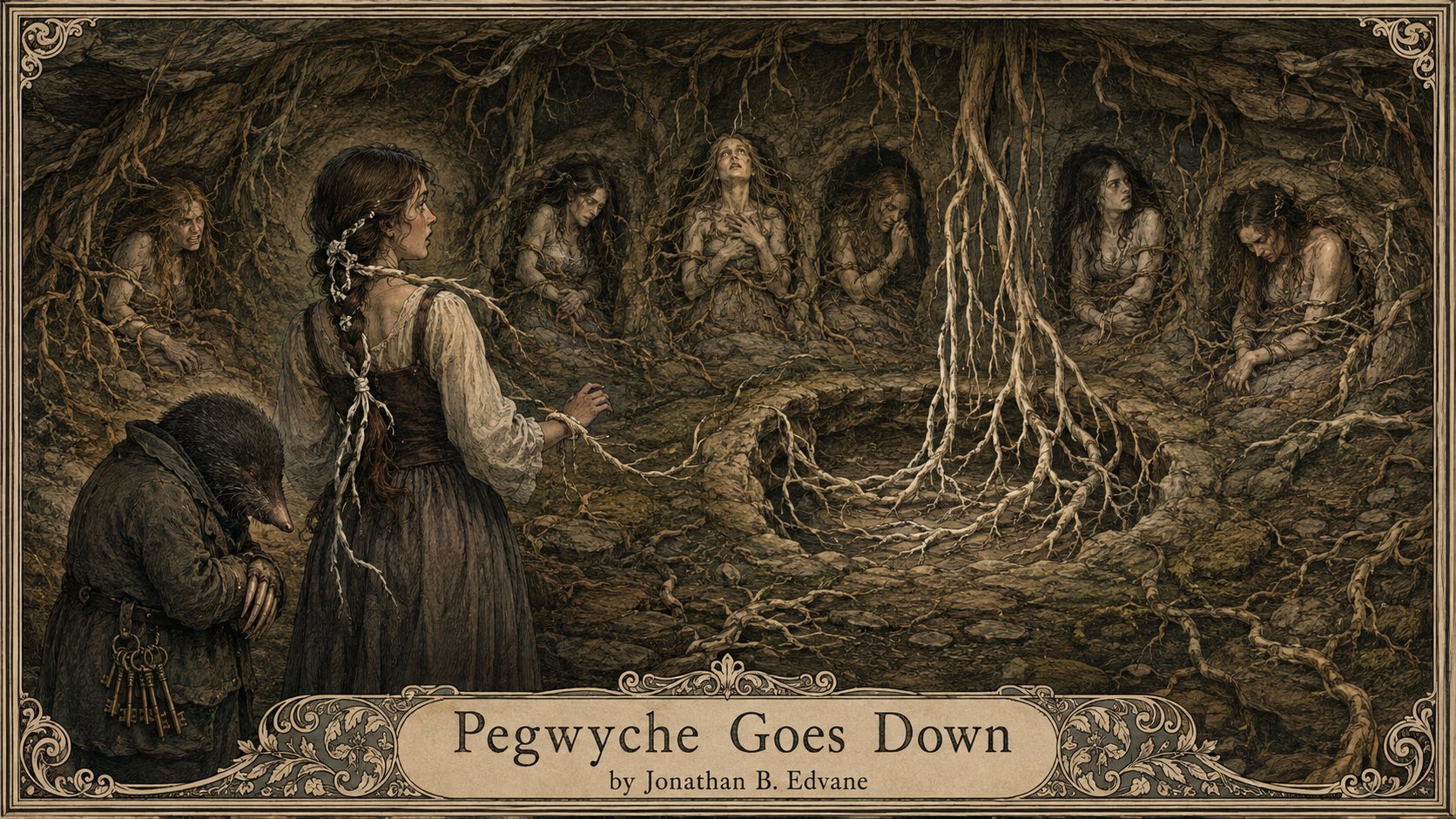
Chosen, blessed, sky-called. The village sings Pegwyche’s name as she rises toward the floating Rookery of Ninelast. But going-up is not a marriage. Mister Talp, the blind mole groundskeeper, knows what it really is.
-
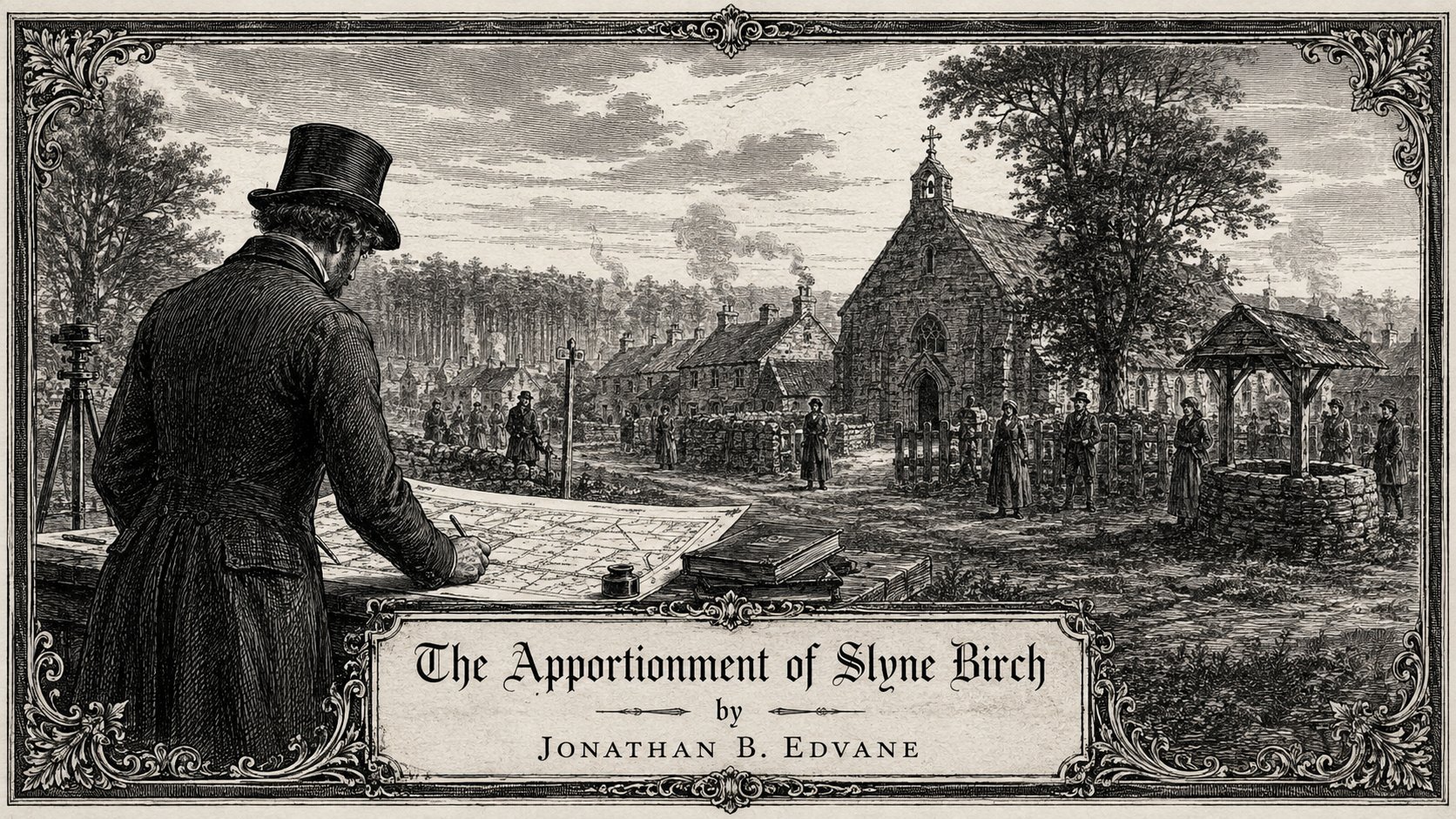
A tithe surveyor arrives in an Oxfordshire parish in 1843 to map every field and account for every acre. The older records name a settlement called Slyne Birch, cleared by a local lord four centuries earlier. The dead do not want remembrance. They want someone to finish their paperwork.
-

Nightporter Lysand DaVivi carries three people out of their lives in a single shift. The third warrant changes everything he thought he had accepted.
-
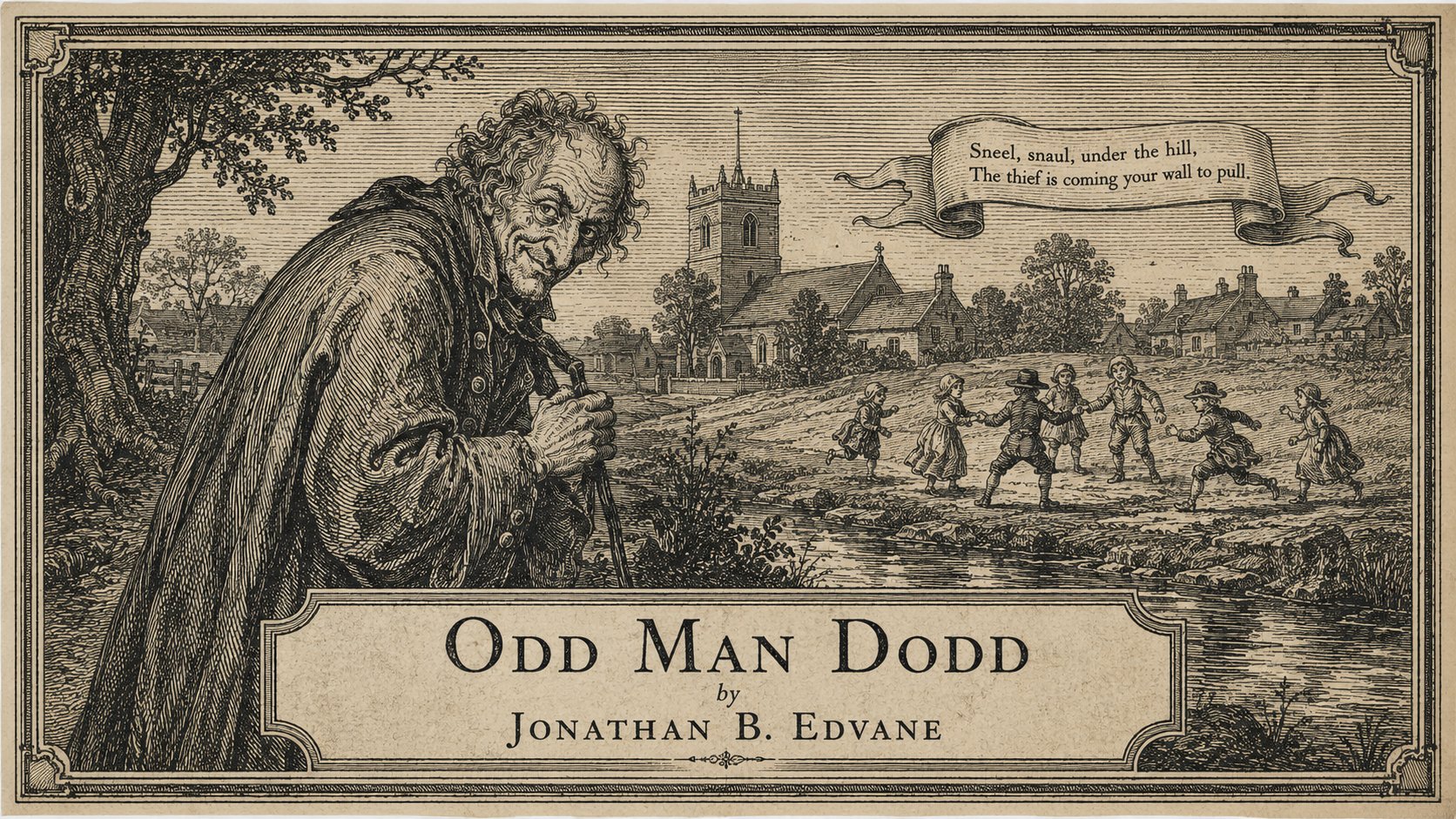
In 1780s Shropshire, a parish midwife watches a man called Odd Man Dodd move between three townships. Three people die. The children learn a rhyme. Nobody asks where the words came from.
-

In St Barrow’s, Mistress Grimshaw’s charity opens her purse only for those who beg aloud before the parish. Judith Cox, widowed and cornered, finds a way to make the purse answer the want it knows best.
-

Ralph Travers, a curate in Exeter, struggles with his conscience after inadvertently making the Devil, Bucky, known to children through a rhyme. As children start disappearing, he faces the consequences of his actions.
-
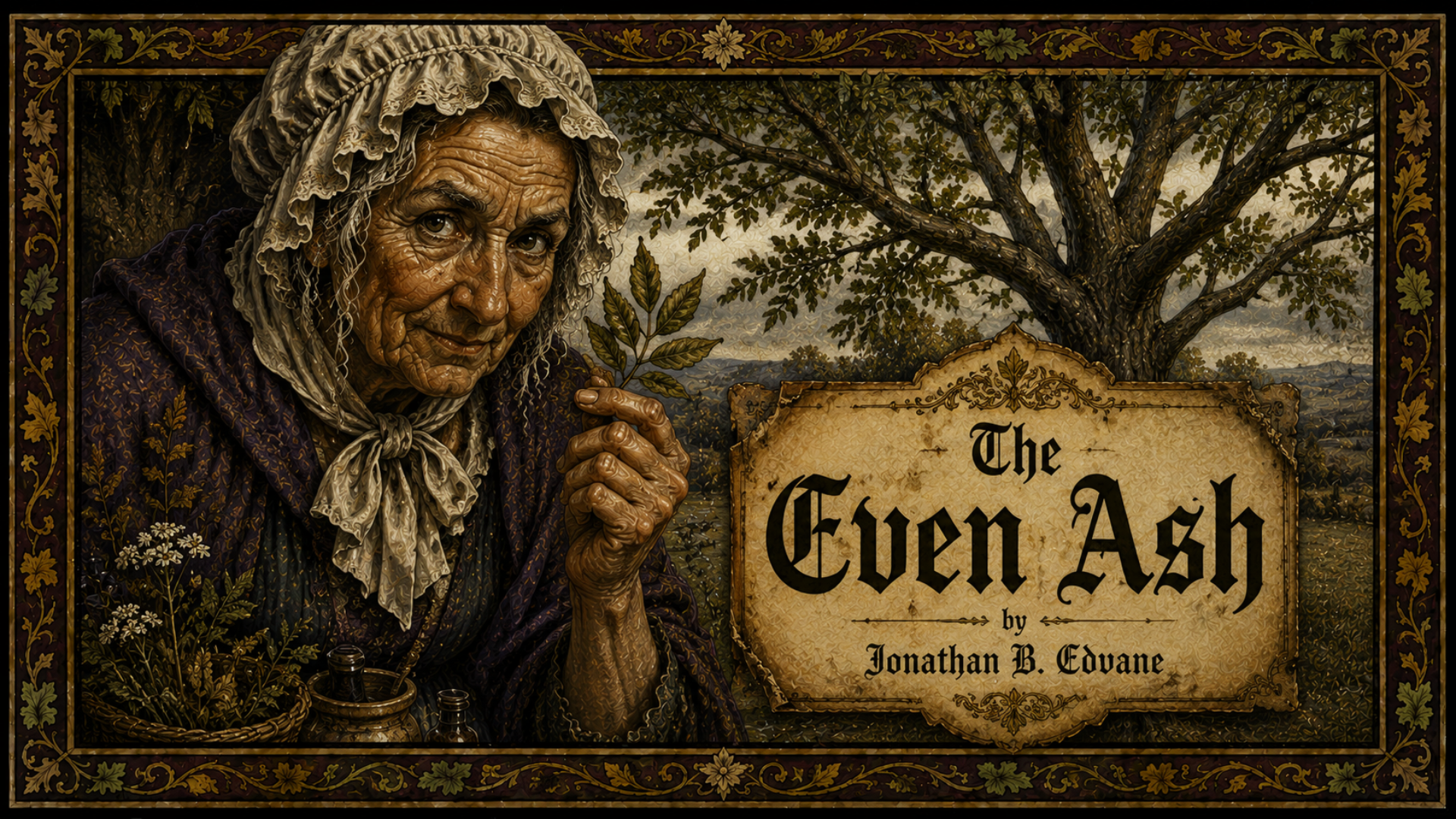
In a series of intertwined tales, women at fairs confront the consequences of seeking love through an ancient ash charm. Each one learns that desires shape their fates, often leading to regret.
-
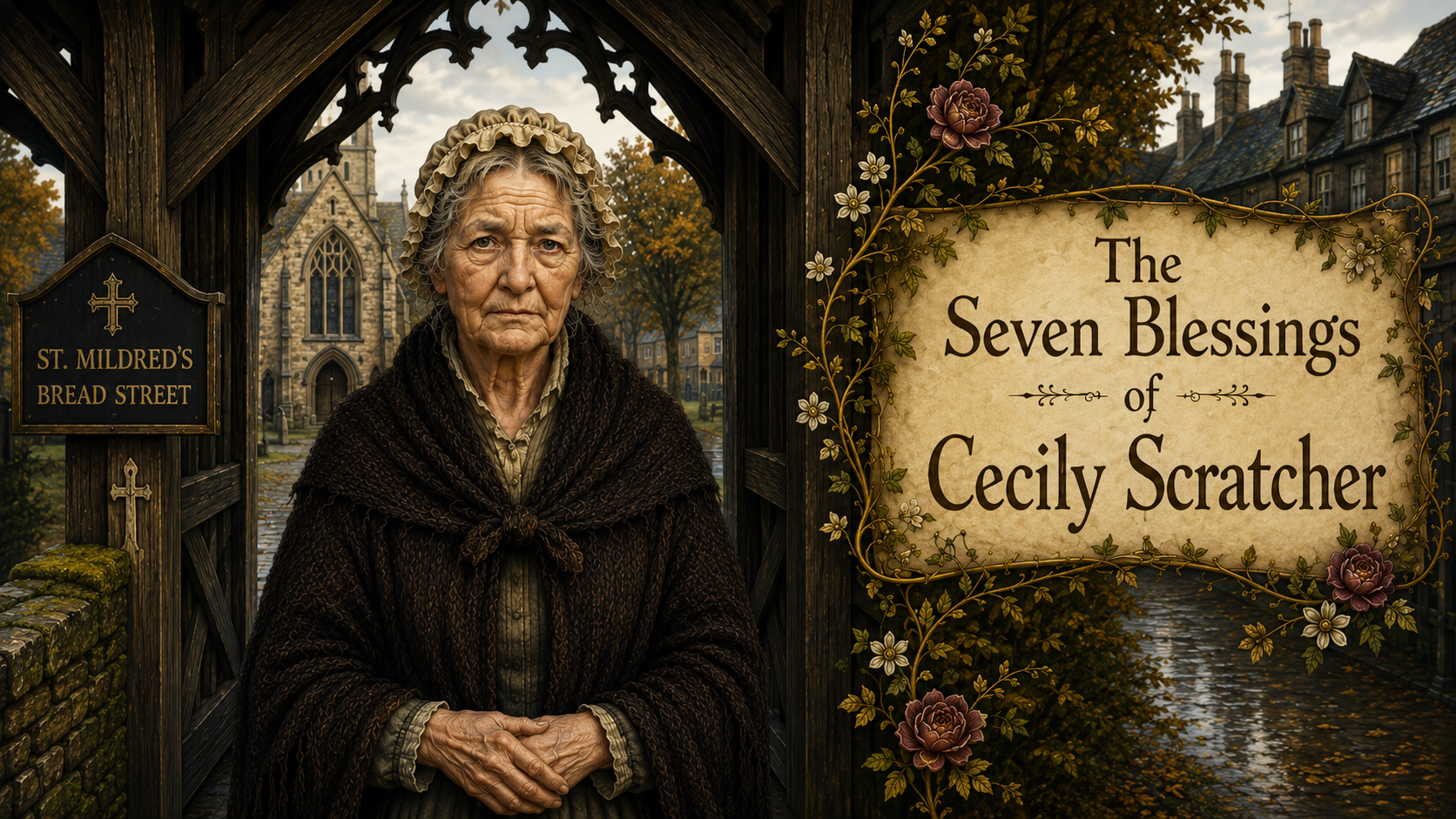
At St Mildred’s, every blessing has a shadow. Cecily Scratcher waits beneath the lychgate to tell seven old warnings of beauty, grace, sorrow, roads, love, labour, and goodness, and of the children made to carry what adults should not.
-
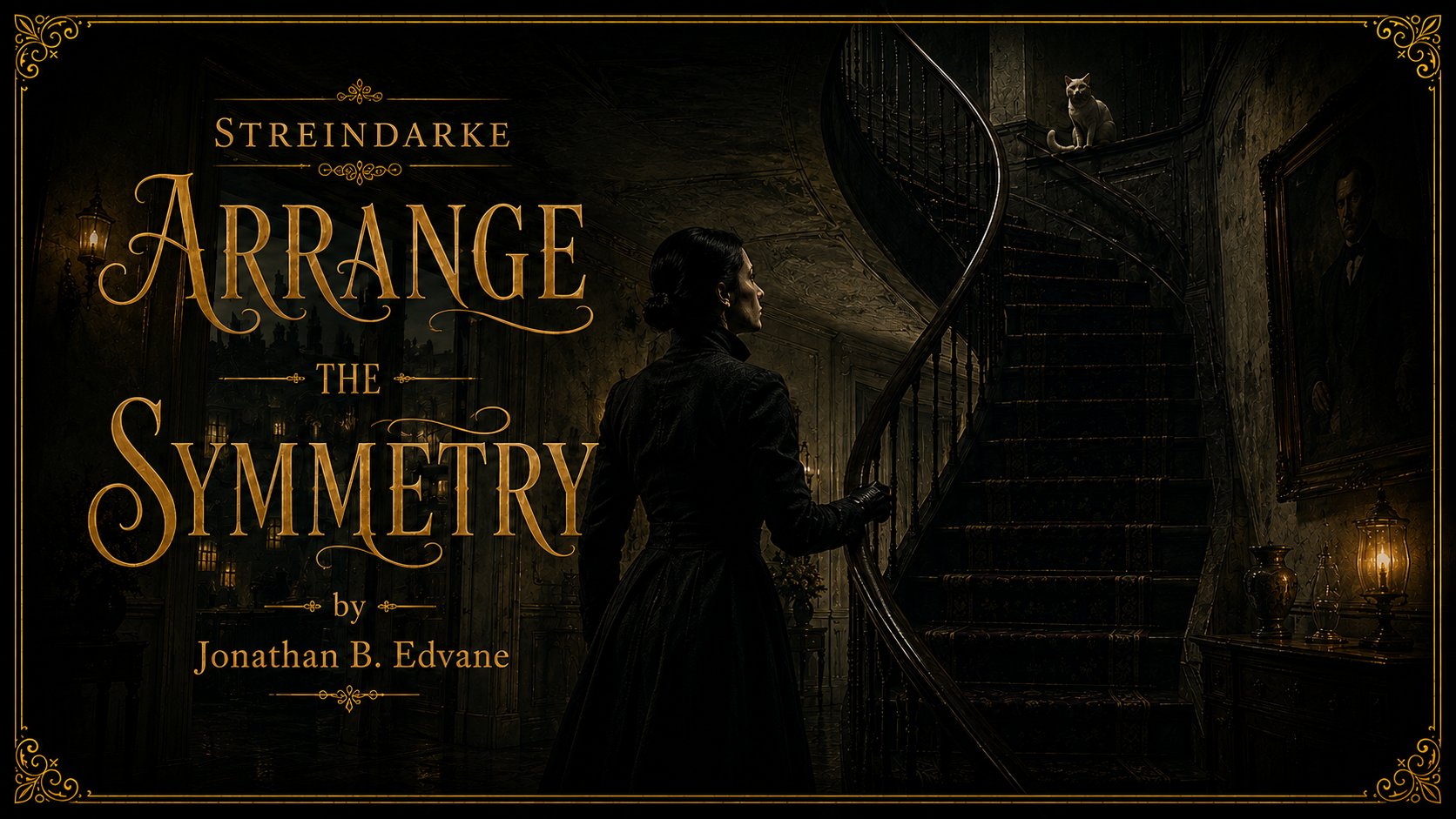
About a 14-minute read or 22-minute listen. In Streindarke, Ballion, known as Civic Quiet, navigates the intricate balance of power and duty while investigating the disappearance of Lord Suze Ben-Sashe.
-

About a 40-minute read or 1hr 3-minute listen. In Hagley Stile, magpies are never merely birds. One by one, the old rhyme becomes a reckoning as sorrow, joy, birth, theft, silver, gold and secrets gather beneath black-and-white wings.